I remember the moment I realized our child needed more than a typical reading program — it felt like looking for a map in the dark. That search sent me down a path toward a Targeted Keyword Phrase, and toward resources backed by the science of how kids learn language. For trusted context on evidence-based reading and instruction policy, the U.S. Department of Education offers clear guidance and research on structured literacy and early screening at ED.gov.
Why a language-based approach changes outcomes for kids with dyslexia
Language-based curriculum programs focus on how language is built: sounds, letters, syllables, and meaning. For students with dyslexia, this matters because the typical classroom pace can hide gaps in phonemic awareness and decoding skills. A language-based approach intentionally teaches these building blocks in small, systematic steps so students can read with confidence instead of guesswork.
In Georgia, families in Atlanta, Decatur, Buckhead and surrounding neighborhoods are increasingly choosing private schools that use structured literacy because those programs emphasize direct, explicit instruction. That shift isn’t just a trend — it reflects decades of research showing that targeted language instruction reduces long-term reading struggles and improves self-esteem in learners who otherwise fall behind.
What structured literacy looks like in daily practice
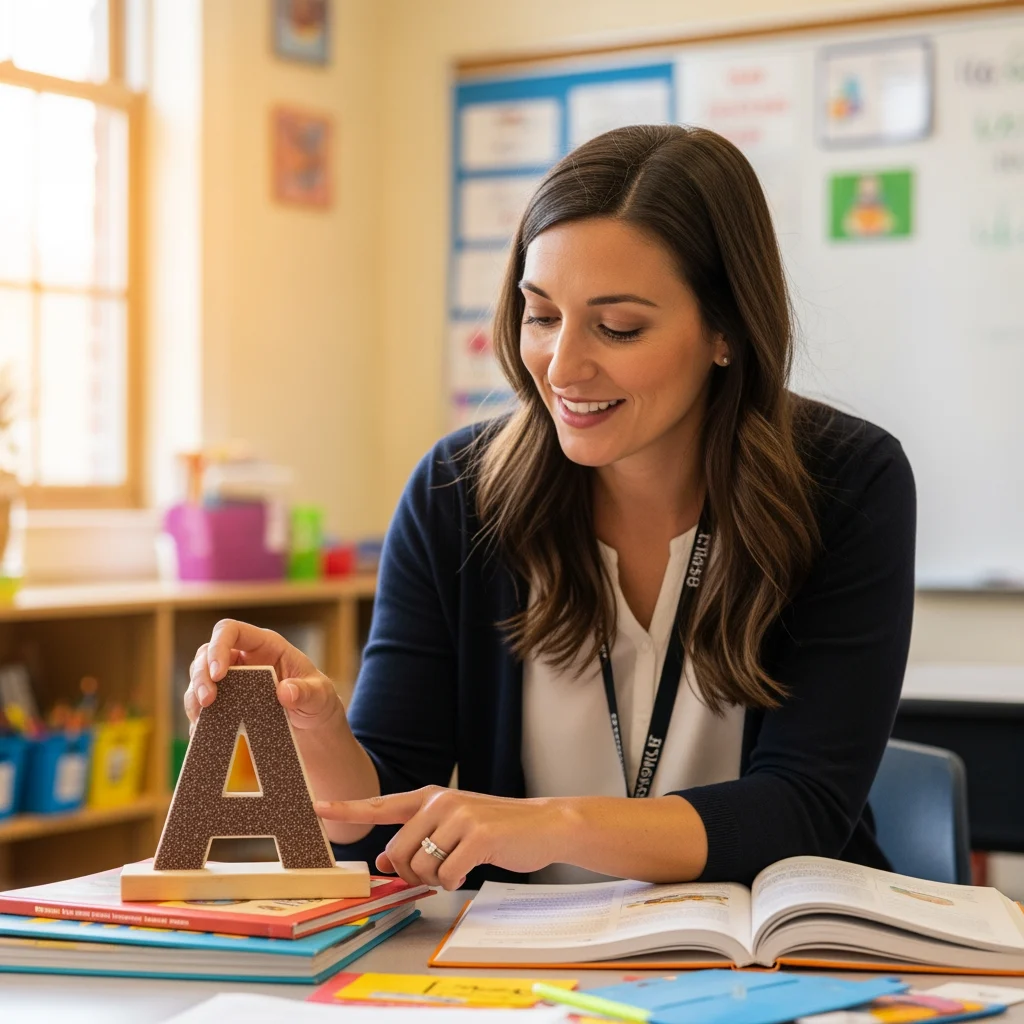
Structured literacy is predictable, cumulative, and multisensory. In classrooms I visited and in programs I’ve reviewed, a typical lesson includes a quick warm-up for phonological awareness, explicit phonics instruction, guided practice with decodable text, and a writing or spelling activity that reinforces the same patterns. Teachers regularly assess progress and adjust targets so kids don’t get lost in larger-group pacing.
How to evaluate a Georgia private school for dyslexia
When evaluating private schools in Georgia that advertise a language-based curriculum, I use a practical checklist that focuses on evidence and daily delivery. Look beyond labels such as “dyslexia-friendly” and ask specific questions about staff training, instructional approach, class size, and measurable progress. Schools that can articulate their curriculum and show clear student data are more likely to deliver consistent results.
Key program features to ask about
- What structured literacy framework do you use (for example, Orton-Gillingham or another explicit program)? Ask for specifics about lesson structure and materials.
- How often are students screened and how is progress reported to families? Regular, data-driven updates matter.
- What qualifications and ongoing training do teachers and specialists have in dyslexia intervention and structured literacy?
- How are programs individualized? Look for flexible groupings, small class sizes, and targeted one-on-one time.
Early signs and when to act
Early detection is the best way to prevent an achievement gap from growing. If you notice your child struggling with rhyming games, learning letter sounds, reading simple words slowly, or spelling inconsistently, those can be early signs of language-based learning challenges. Acting early — even before a formal diagnosis — opens a wider set of successful interventions.
Don’t wait for standardized tests to tell you something is wrong. In my experience, parents who bring concerns to teachers and request specific phonological screening often get the help their child needs sooner. Schools that partner with families and share assessments openly make a real difference in building momentum toward reading success.
Practical steps parents can take today
When I talk with families, they want concrete, actionable steps. Here are clear moves you can take right now to support a child who may be struggling with language-based learning:
- Request a structured literacy screening from the school or ask for a referral to a qualified evaluator. Early screening clarifies needs and next steps.
- Look for programs that use short, frequent multisensory sessions focused on sound-symbol relationships rather than only whole-language strategies.
- Create a predictable home routine that includes daily, low-pressure reading practice with decodable books and plenty of praise for effort.
How a private language-based program solves common pain points
Families often list the same frustrations: teachers who lack specialized training, catch-up tutoring that focuses on repetition rather than skill building, and programs that make kids feel “slow” or ashamed. A strong language-based private school addresses these issues by hiring specialists trained in structured literacy, keeping groups small, and blending explicit instruction with supportive social-emotional practices so kids rebuild confidence as they gain skills.
For example, when a school aligns its curriculum across grades, students who miss a concept can get the exact sequence of skills they need — not a scattershot intervention. That focused remediation shortens the timeline for catching up and reduces the likelihood of students falling further behind as content becomes more complex in upper grades.
Local trends Georgia families should know
Two trends are shaping demand for language-based private schools in Georgia. First, there’s a growing emphasis on universal screening and early intervention. Districts and private programs are moving toward early identification and short-term intensive supports instead of waiting for failure. Second, technology is being used more strategically: digital tools that reinforce phonemic awareness and multisensory pattern practice are becoming common supplements to daily lessons.
In Metro Atlanta neighborhoods like Buckhead, Midtown, Decatur, and Sandy Springs, parents are combining school-based programs with targeted tutoring or speech-language services when needed. That blended approach helps students maintain grade-level content exposure while remediating foundational skills.
Measuring progress: What success looks like
Progress in a language-based program isn’t just “reading more books.” It’s measurable improvement in decoding accuracy, increased fluency on grade-level materials, and strengthened spelling and writing. Schools that track these outcomes tend to report gains in both academic performance and student confidence over a school year.
When reviewing results, ask for examples of student growth rather than general statements. Specific data — such as improvements on phonological awareness benchmarks, decoding fluency, or grade-level reading assessments — gives you a real sense of whether the curriculum and instruction are working.
Quick tips for finding the right fit in Georgia
Choosing a private school is part logistics and part fit. Here are a few quick strategies I recommend when exploring options across the city and the broader metro area:
- Tour the classroom during instruction time and ask to see a lesson sequence aligned to a language-based program.
- Ask how the school coordinates with outside providers (speech-language pathologists, reading therapists) if your child already receives services.
- Confirm the school’s approach to social-emotional support so your child’s confidence grows alongside academic skills.
Trends and innovations I’m watching
Across private programs, three innovations are catching my eye. First, more schools are using short, daily micro-lessons to reinforce phonemic patterns; this keeps learning consistent without overwhelming students. Second, multisensory tools that pair movement and tactile practice with sound patterns are getting better and easier for classroom integration. Third, schools are improving family-facing reporting so parents see progress in skill-based terms, not just letter grades. These shifts benefit families looking for real, measurable change.
Final thoughts and next steps
If you’re exploring options in Atlanta or elsewhere in Georgia, prioritize schools that offer structured, explicit language instruction delivered by trained educators and specialists. Ask for specific examples of the curriculum in action, look for regular progress monitoring, and make sure the school’s social-emotional supports match your child’s needs. With the right language-based program, many children with dyslexia go from struggling readers to confident learners who enjoy school again.
If you want to learn more about a dedicated language-based curriculum and visit a program that blends small-group instruction, multisensory methods, and ongoing progress monitoring, consider reaching out to see how they support students across Atlanta and the surrounding area. Sage School can walk you through their approach and materials so you can compare options with confidence.